
TOOL RENTAL PLANNING
Evaluate job duration, motor output, site access restrictions, and consumable wear before booking. Proper staging prevents midday site delays and power tripping.
Regional access to specialist construction tools and site plant through systematic rental, equipment depot collection, and jobsite delivery. Standardized dispatch checks on every tool before handover.
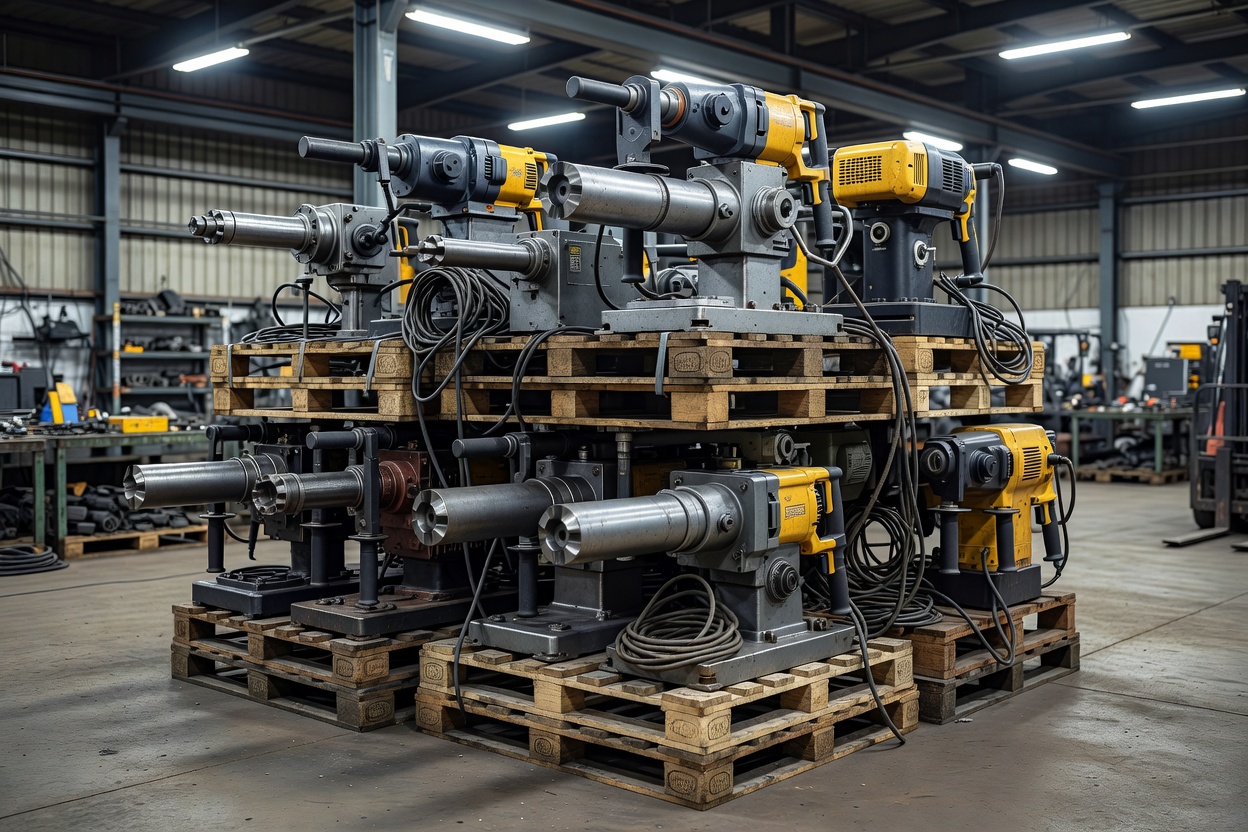
Tool sets staged for trade collection. Includes electrical safety tag, accessories box, and return inspection slip.
A rigid 5-stage procedure ensures tools match site power, meet task requirements, and return safely without billing friction.
Specify diameter, break force, cutting depth, or square footage. Confirm voltage (110V transformer or 230V) and necessary consumables before staging.
Establish calendar dates, handover location, and return dates. Confirm operator eligibility, site transformer requirements, and transport tie-down points.
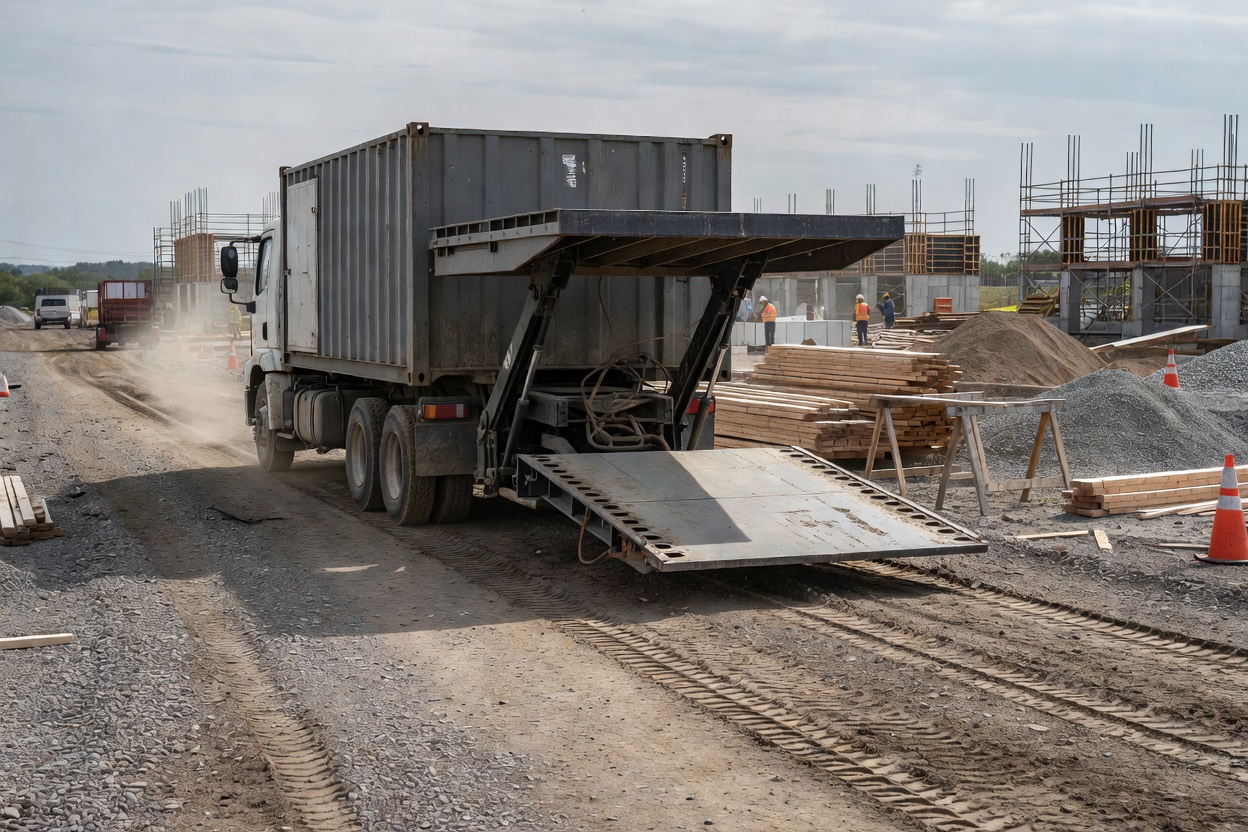
Collect at depot yard or accept tail-lift delivery. Complete physical condition verification, check safety cutouts, verify oil levels, and accept keys.
Operate according to safe duty cycles and dust extraction rules. Never overload breaker motors or mix concrete past drum capacity limits.
Clean external slurry and excess mortar. Return with full original accessory box. Complete joint check-in inspection to release depot hold.
Direct links to operational tool directories, technical specs, site planning protocols, and depot logistics.
Evaluate job duration, motor output, site access restrictions, and consumable wear before booking. Proper staging prevents midday site delays and power tripping.
Rotary hammers, hydraulic and electric demolition breakers, wet diamond coring rigs, diesel plate compactors, and forced-action mortar mixers.
Organized tool assemblies for structural alterations, wet trade masonry, ground compaction, interior partitioning, and surface restoration.
Tail-lift site transport, curb delivery windows, depot yard drive-through collection bays, and formal signed handover procedures across the regional corridor.
Pre-rental electrical safety continuity checks, motor thermal limit testing, wear threshold measuring, and post-rental cleaning protocols before re-stocking.
All hand-held electric tools require 110V single-phase step-down center-tapped-to-earth transformers. 230V tools strictly limited to stationary workshops.
Heavy demolition units exceed 12 m/s² vibration. Operators must alternate shifts according to regional health limits and equipment vibration data plates.
Concrete coring, floor scabbling, and masonry channelling must be matched with M-Class or H-Class certified vacuum units to control crystalline silica.